

FURNITURE & MOVING / FROM THE BLOG
Planning a Wall-Bed Installation Enquiry
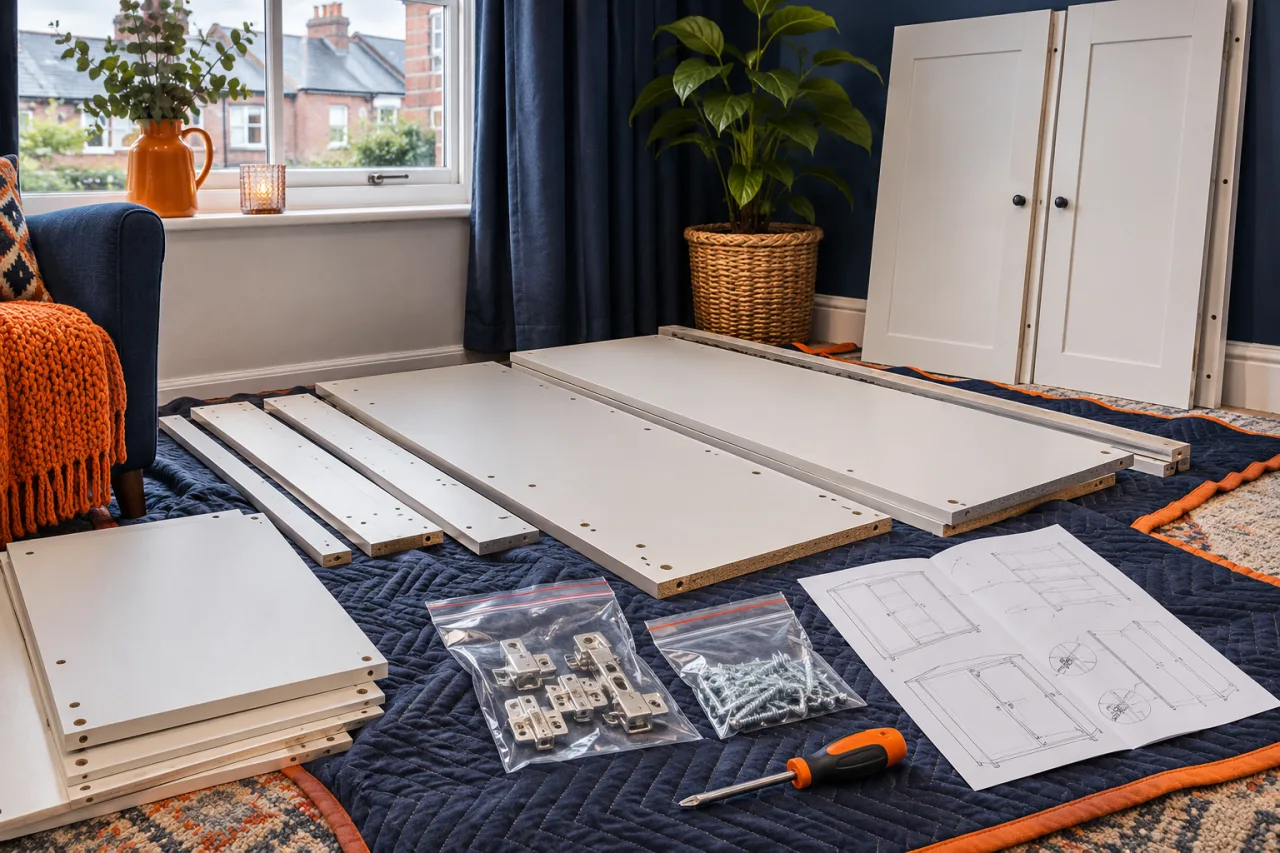
A wall bed is a piece of furniture with a moving platform, but its installation question is broader than ordinary flat pack assembly. The cabinet, hinges and lift mechanism must match the exact model, and most designs depend on a specified connection to a suitable wall or structure. A convincing product photograph cannot establish whether the wall in your room is suitable. Before arranging work, collect the model instructions and the facts about the room so the assembly and anchoring requirements can be assessed properly.
Begin with the full product name, code, size and current manual. Check whether the retailer supplies several fixing methods or expects a separate installation kit. Note the required mattress dimensions and weight range. Avoid making assumptions from a similar bed sold by another company; the mechanism and wall loads may differ. If the instructions state that installation must be done by a particular type of professional or require structural assessment, make that requirement clear in your enquiry from the outset.
Distinguish the cabinet build from the wall fixing
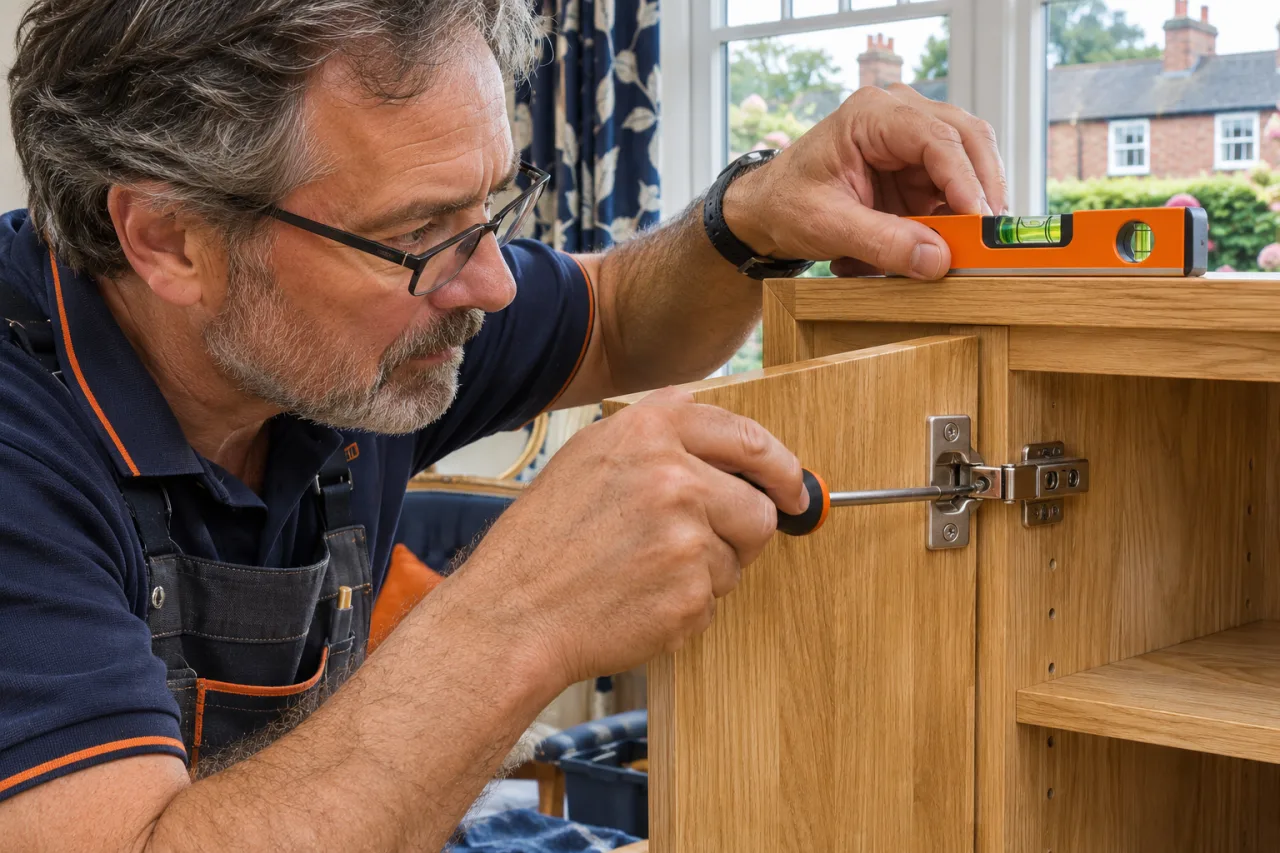
The furniture assembly stages may involve joining panels, fitting a front, placing hinges and aligning the bed platform. The wall fixing stage involves the building fabric and the loads transferred to it when the bed opens or closes. These are related but separate decisions. A person can be capable of assembling the cabinet while lacking the information needed to specify a safe fixing into an unknown wall. Do not treat the presence of screws and plugs in a carton as proof that they suit every wall.
Read the manual for the exact sequence. Some designs require the cabinet to be secured before the moving platform is attached; others have a different sequence. An unfinished wall bed can be unstable. Keep the parts packaged and the room clear until the fixing question is resolved. Do not assemble a freestanding cabinet and test the lift mechanism if the manufacturer requires anchoring first. Record any warning labels and keep them with the instructions.
Define the limits of the assembly enquiry
The flat pack assembly service is the relevant starting point for discussing the furniture components, but the enquiry should explicitly state that this is a wall bed and include the maker’s anchoring requirements. Ask what assessment or specialist work is needed for the wall before booking an installation. Do not assume that a general furniture assembly appointment includes structural advice or an unverified wall fixing method.
Identify the wall and what is behind it
Describe the wall where the bed would stand. Is it solid masonry, a stud partition, a lining over masonry or something else? If you do not know, say so. A photograph of the painted surface rarely reveals the structure beneath. Information from building plans, a landlord, builder or previous work can help, but an onsite assessment may still be necessary. Be especially cautious where the proposed fixing area contains sockets, switches, heating pipes or other services.
Measure the usable wall width and height after accounting for skirting, cornices, sockets and light switches. A cabinet may fit on paper yet fail to sit flat because of a deep skirting board or projecting radiator. Do not remove structural material or route services to accommodate a product without suitable advice. If the bed is intended for a party wall, note any tenancy, building-management or ownership conditions that affect drilling. Seek the relevant permission yourself before work is arranged.
If the instructions specify an anchor position or minimum wall construction, include a photograph or excerpt of that page in the enquiry. Avoid copying an entire manual when a product link and page reference will do. If the wall seems unsuitable or its construction is unknown, the right next step is to identify it, not to choose a stronger-looking plug. A fixing can fail because of the substrate, spacing, edge distance or hidden condition even when the hardware itself looks substantial.
Map the bed’s full movement
Measure the cabinet when closed and the platform when open. A horizontal wall bed projects differently from a vertical one. Mark the open footprint on the floor, including the legs and the space a person needs beside the mattress. Keep the door and any escape route usable in the bed’s normal position. A wall bed that reaches the opposite wardrobe or desk when lowered may be inconvenient or unusable, despite the space it frees when closed.
Check overhead clearance during opening. A sloping ceiling, pendant light, sprinkler fitting or shelf may intersect the moving platform. Photograph the wall and the adjacent ceiling from several angles. Note whether the intended area has a radiator, low sill or socket that would end up behind the closed cabinet. The mechanism must also be operated without a person reaching awkwardly over furniture or standing in the path of the moving bed.
Do not use a guessed hinge path to judge clearance. The manufacturer’s dimensional drawing or template should show the maximum sweep. Some fronts project beyond the cabinet during movement, and handles can add depth. If the drawing lacks a movement envelope, ask the supplier before buying or scheduling assembly. A floor plan with the closed and open outlines makes the question far more concrete than a single room width measurement.
Check mattress and mechanism information
Wall-bed mechanisms are often designed for a defined mattress size, thickness and weight. The mattress may have to stay secured when the bed is raised. Check the maker’s specification, not only the retail listing for the frame. A mattress outside the stated range can change how the bed moves and whether it stays in the intended positions. Bedding can add bulk when closing the platform; read any instructions on what may remain on the bed.
Record whether the mechanism, front, legs and cabinet arrived in separate packages. Check the labels and part numbers without opening every bag. If a spring, gas strut or hinge appears damaged, do not attempt to operate or modify it. These parts can store energy and may have specific handling instructions. Photograph damage and contact the retailer or manufacturer for the correct replacement. Avoid substituting fittings from another model even when their dimensions seem similar.
The route into the room matters too. A long platform panel may not turn through the staircase, and a large front may be vulnerable at a narrow landing. Measure the longest package, doorway width and turns. If the product needs two people for a lift, include that instruction in the enquiry. A wall bed should not be assembled in a corridor and then assumed to fit through the bedroom door as a rigid unit.
Send a useful enquiry and resolve gaps first
A useful enquiry contains the exact product code, manual link, mattress specification, room dimensions, photographs of the proposed wall, any known wall construction and clear images of nearby services and obstructions. Add the delivery status and carton sizes. State whether the property is owned or rented only insofar as it affects permission for wall fixings; do not send unrelated personal details. Identify any page in the manual that requires a specialist or a particular substrate.
Ask which parts of the work can be scoped from the information and which require a wall assessment. If the installer cannot establish the wall construction or suitability from what you have supplied, arrange the required assessment before committing to a build date. Do not interpret a tentative furniture assembly discussion as a guarantee that the wall can safely carry the bed. The installation plan should be based on the actual model and actual wall.
When the work is complete, verify the cabinet’s position, the specified fixings and the maker’s operation checks with the responsible installer. Open and close the bed only as instructed, with the specified mattress in place if required. Keep the manual and fixing details for future use. If the bed is moved to another property, the previous fixings do not prove that a new wall is suitable. The best enquiry makes that boundary clear early: furniture parts can be counted and planned, while structural anchoring needs evidence about the building before the moving bed is used.