

FURNITURE & MOVING / FROM THE BLOG
Preparing Your Room for a Furniture Assembly Visit
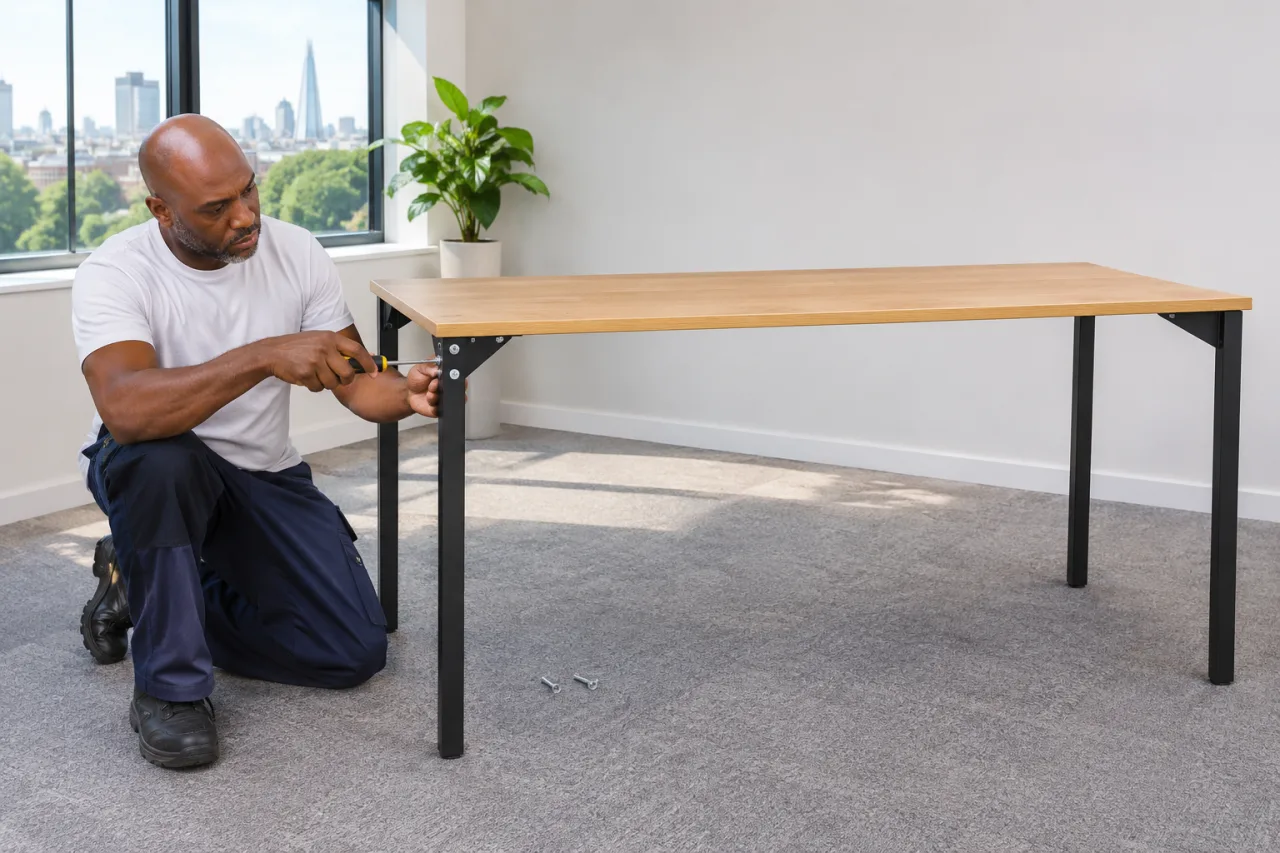
An assembly appointment is easier to plan when the room, the order and the intended furniture position are understood beforehand. Preparation does not mean opening every package or starting the frame yourself. It means making the necessary information and working space available, while leaving components protected until they are needed. Use the following checks to describe the job accurately and avoid creating extra handling before the assembler arrives.
Identify the complete order
Keep the retailer’s product names, model numbers and instruction links together. A wardrobe order might include a frame, doors, internal drawers and separate storage accessories. A bed may arrive in cartons with different delivery dates. Photograph the carton labels without exposing your full address in an image you intend to share publicly. If a delivery is incomplete, explain which packages are present. The assembler needs the actual contents of the booking, rather than a broad description such as “bedroom furniture”. This also helps distinguish the new purchase from existing pieces already in the room.
Make a usable working area
Move loose belongings away from the intended build position and the route into it. Include the area where doors, drawers or a bed mechanism will eventually move. A clear rectangle on the floor is useful, but the assembly sequence may need additional space for long panels or access around the frame. Do not move heavy existing furniture alone to create that space. Describe the obstruction before the visit so the required handling can be considered. Keep children, pets and routine household traffic away from the working area while components and fittings are exposed.
Keep packages protected and identifiable
Leave unopened cartons in a dry, accessible place if you are not sure which components they contain. Where packages have already been opened, retain their labels and keep fittings with the matching item. Avoid mixing screws from several products in one container: similar-looking fittings can have different lengths or functions. Protect exposed decorative faces from grit and accidental pressure. Do not discard protective packaging before the furniture has been checked. Tell the team about torn cartons, damaged corners or loose hardware so those conditions can be identified before the build proceeds.
Explain how the property is accessed
Provide the floor, any lift arrangements and the route from the entrance to the room. A postcode alone does not describe a narrow turn, a stepped entrance or a managed building’s access process. If someone else controls entry, establish who will be available to admit the team. Ask the building manager about any required arrangements rather than assuming a general delivery policy also covers assembly. Access information is part of planning the visit; it does not replace checking the product dimensions or confirming that components can reach the intended room.
Decide what should be ready afterwards
Point out the proposed position of each item and any doors, sockets or existing furniture it needs to sit beside. If a room will be rearranged later, explain that before a large piece is completed in place. Wall anchoring, removal of existing furniture and disposal of packaging are separate matters to discuss, not automatic additions to every assembly booking. If you need collection or delivery as well, state the relevant addresses and item condition. Clear requirements help the quotation describe the complete job without treating every household task as furniture assembly.
Pass on changes before the appointment
Send updated details if the retailer changes the model, the order gains extra items or the destination room becomes unavailable. A changed configuration can affect both the build and the workspace required. Keep instructions available even if the product looks straightforward; the correct sequence belongs to that particular model. For a new purchase, discuss our flat pack assembly service. Existing furniture that needs separating and rebuilding should be described separately. Call 020 3746 1134 with the item list and postcode so the work and appointment arrangements can be confirmed.